

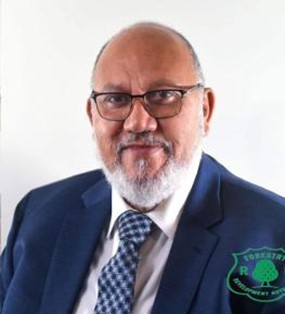
The Forestry Development Authority (FDA) says it has acknowledged the concerns raised in the proposal published by Sinoe County’s district #1 Representative, Thomas Romeo Quioh, regarding the current management, enforcement, and socio-economic issues surrounding Sapo National Park (SNP). However, the FDA observed that while these challenges are real and require urgent solutions, it firmly opposes any proposal for the partial or full de-gazettement of Liberia’s largest and most significant protected rainforest.
The Sapo National Park (SNP) is Liberia’s first and largest National Park, with a land space of 180,363 hectares, or 445,677 acres. It is in Sinoe, Grand Gedeh and River Gee counties. It was established in 1983 and is home to several endemic and critically endangered fauna and flora species, some of which can be found nowhere else in the world except in Liberia.
In an official response issued August 26, 2025, the management of FDA underscored that SNP is not just a national treasure; it is a globally recognized biodiversity hotspot, a carbon reservoir critical for climate stability, and a living testament to Liberia’s environmental leadership, in line with national and international frameworks such as the National Forestry Reform Law (NFRL), the United Nations Convention on Biological Diversity and the Paris Agreement.
Rather than de-gazetting the priceless ecosystem, the FDA called for constructive, multistakeholder dialogue to address enforcement gaps, strengthen community benefit-sharing, and develop sustainable livelihood programs that balance conservation with local development needs.
“The proposal highlights poverty, unemployment, and enforcement challenges as reasons for degazettement. The FDA agrees that these are pressing issues but strongly maintains that removing legal protection from the park will not sustainably address them; in fact, it will worsen forest and environmental degradation and deprive future generations of natural wealth,” the FDA noted.
The FDA pointed out key points for consideration. “Illegal mining and poaching are enforcement issues, not conservation failures: the existence of illegal activities inside SNP is not proof that protection has failed, but rather that enforcement capacity and community engagement require strengthening. Degazettement would reward illegal activities and set a dangerous precedent that lawbreakers can dictate national conservation policy.
“Long-term vs short-term gains: while mining may offer temporary economic relief, it causes irreversible ecological damage, contaminates waterways, especially the Sinoe River and the Popo Creek, with mercury, and destroys habitats, undermining tourism, and ecosystem services that sustain livelihoods in the long run.
“Untapped ecotourism potential: with investment in infrastructure, marketing, and community-run facilities, SNP could generate significant ecotourism revenue, create legal jobs while maintaining ecological integrity.
“International commitments: Liberia is bound by multiple regional and global treaties to maintain protected areas, and de-gazettement could jeopardize our international commitments and opportunities for REDD+/carbon financing, which we are currently pursuing. SNP’s dense forest captures and stores millions of tons of carbon, directly contributing to Liberia’s climate commitments under the Paris Agreement and helping mitigate global warming.”
The FDA then recommended dialogue, not de-gazettement, noting that it remains steadfast in its commitment to protecting the natural resources, rich biodiversity, and ecological integrity of SNP for the benefit of present and future generations of Liberians. “Degazettement of SNP would be a permanent loss of one of Liberia’s greatest natural assets. The FDA believes the challenges facing SNP require a National Dialogue involving national stakeholders and international partners to discuss and strategize on how to sustainably manage SNP,” the FDA management added.
“Our vision is to secure sustainable financing for the effective management of SNP while creating lasting livelihood opportunities for forest-edged communities. The Government of Liberia is currently developing a National Carbon and Trading Policy that will enable the country to fully participate in the global carbon markets. This could bring substantial financial resources into Liberia’s forest sector, as demonstrated by other forest-rich nations such as Guyana, Ghana, and Brazil, which have attracted hundreds of millions of dollars through carbon trading. With 6.6 million hectares of tropical rainforest, including SNP, Liberia has similar potential. A fair and transparent benefit-sharing mechanism will ensure that communities and central government directly benefit from these revenues.
“SNP’s unique biodiversity positions it as a premier ecotourism destination. The Sapo Ecolodge is one of several ecolodges in the country, and our goal is to expand and improve such facilities, increase revenues, and strengthen benefit-sharing with surrounding communities. However, poor road access remains a major constraint to tourism growth,” the FDA management continued.
According to the FDA, while the Government of Liberia (GOL) has provided some resources, staffing levels at SNP remain grossly inadequate. Donor-funded projects have helped support operations but often exclude salaries and are time-bound. The FDA aims to significantly increase staffing levels in SNP, ensuring that the removal of illegal occupants is followed by effective measures to prevent their return. The FDA therefore calls on the National Legislature to allocate adequate resources for SNP’s immediate protection and management whilst it puts mechanisms in place to begin trading carbon.
“Sustainable livelihood support for affected communities, infrastructure improvements, and job creation are central to our vision. Expanding SNP’s workforce and growing ecotourism will provide direct employment opportunities, while restoration initiatives aimed at reversing deforestation and degradation will generate additional jobs for local community members. Moreover, increasing community participation in SNP’s management will foster a stronger sense of ownership, build trust, and ensure the park’s long-term protection.
“The FDA therefore respectfully calls upon Hon. Thomas Romeo Quioh and all concerned stakeholders to join in constructive dialogue aimed at improving park management, enhancing community benefits, and ensuring that SNP remains a symbol of success for people, planet, and profit. This conversation will be elevated at the upcoming National Forest Forum Scheduled to take place October 2025,” the FDA management’s response stated.