
In his first Annual Message on January 29, 2024, President Joseph Nyuma Boakai vowed to fight corruption, rebuild infrastructure, and revive Liberia’s ailing economy. “Our justice system has been marred by inefficiency, corruption, and lack of public trust. We must act decisively to restore confidence,”— President Boakai, January 29, 2024.
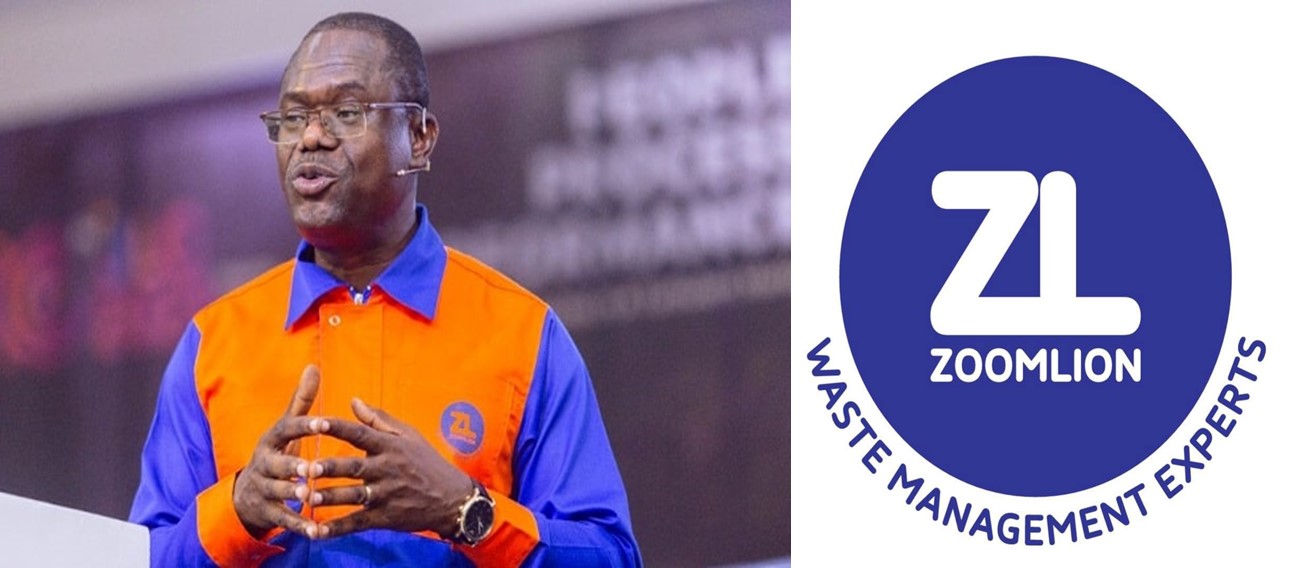
Restoring that confidence means ensuring that the same old players in regional corruption—like Zoomlion Ghana Limited—are not rewarded with Liberia’s biggest postwar waste management contract.
Reliable reports reaching the Hot Pepper indicate that Zoomlion Ghana Limited, a subsidiary of the Jospong Group, is making a final push for a US$200 million waste management contract through the Monrovia and Paynesville City Corporations.
This prospect has shocked many Liberians and governance watchers who question the seriousness of the Boakai administration’s anti-corruption agenda. For a company with a record tainted by corruption, bribery, and deceit, even the opportunity to bid is an affront to public trust.
Zoomlion’s dark history is well-documented. In September 2013, the World Bank imposed a two-year debarment on the company after finding it guilty of “sanctionable misconduct” related to the Emergency Monrovia Urban Sanitation Project in Liberia.
Investigators determined that Zoomlion had paid bribes to secure contracts—one of the largest corruption scandals to hit West Africa’s waste management sector. As a result, the World Bank banned the company from participating in any of its contracts from September 24, 2013 to September 23, 2015.
The company admitted wrongdoing and was required to implement integrity compliance reforms as part of a settlement. (World Bank Sanctions List, 2013)
In Ghana, Zoomlion’s rise has been a case study in political patronage and misuse of public funds. Since its first major government contract in 2006 under the National Youth Employment Programme, the company has operated on an extractive model. (https://www.theafricareport.com: Inside the $74m Ghana waste scandal facing…)
The government paid 850 Ghanaian cedis per worker each month, of which Zoomlion pocketed 600 cedis as “management fees”. Workers were left with only 250 cedis—often paid late, without benefits or job security.
Investigative journalist Manasseh Azure Awuni and others exposed the depth of corruption, prompting the John Mahama administration to blacklist Zoomlion from future deals. The investigations revealed systematic “siphoning of taxpayers’ money” and deliberate inflation of contract costs.
In 2016, just before President Mahama left office, five subsidiaries of the Jospong Group were awarded a US$74 million sole-sourced contract to supply one million waste bins and 900,000 disposable liners. (https://radiotamaleonline.com › blog › … Manasseh: Linda Ocloo’s partnership with Zoomlion …)
While Zoomlion claimed the bins would be distributed for free, the cost was massively inflated. Jospong charged the government $15.60 per bin liner, though the same liners were sold on the open market for $0.23.
The bin-liner component alone was overpriced by more than $13.8 million—a blatant abuse of public funds and trust. (Manasseh Azure Awuni Investigations, 2016).
Zoomlion’s bid for Liberia’s waste management contract is not its first act in the country. During the Emergency Monrovia Urban Sanitation Project, the company falsified financial reports, exaggerated project costs, and submitted misleading figures.
It exploited weak oversight systems and used bribery to secure contracts—behaviors that ultimately led to the World Bank’s sanctions. Re-engaging this same company today would represent a regression in Liberia’s governance standards. (https://liberianinvestigator.com › update › corruption…Corruption-tainted Zoomlion back in Liberia?)
Zoomlion’s corrupt practices have broader consequences than financial losses. The company’s operations have eroded public trust in government institutions; diverted vital public resources from essential services; exploited low-income workers through unfair pay and conditions; and saddled governments with unsustainable debts. (https://www.insightsliberia.comWho Brought Back ZoomLion in Liberia?)
That such a company continues to win contracts across the region underscores the persistence of corruption and impunity in Africa’s public procurement systems.
As Zoomlion angles for another major deal in Liberia, this moment is more than a procurement decision—it is a litmus test of the Boakai administration’s integrity. The World Bank’s past action showed that accountability can work. But vigilance must continue to prevent the same corrupt actors from returning under new disguises.
Liberia now stands at a crossroads: Will the government choose short-term convenience over long-term integrity?
Awarding a $200 million contract to a company once sanctioned for bribery in Liberia would betray President Boakai’s promise to restore confidence and fight corruption.
If this administration is serious about good governance, it must send a clear message that no company—however politically connected—can buy its way back into public contracts through deception and influence.
Liberia cannot afford to repeat the mistakes of the past. The people deserve a waste management system that is transparent, efficient, and accountable—not one tainted by scandal.
Liberians are watching. The international community is watching. History will record the choice.