
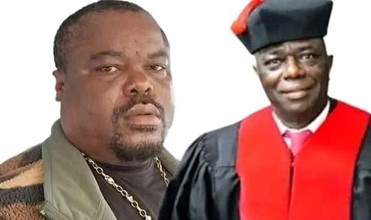
The Supreme Court is expected to issue its definitive judgment this Friday, February 13, at 11:00 a.m., in the case against Justin Oldpa Yeazeahn, widely recognized as “Prophet Key”.
Prophet Key is charged for baselessly accusing the Chief Justice of corruption via inflammatory social media rants that targeted officials, politicians, and women alike.
Prophet Key, a self-styled online provocateur, has built a huge social media following by relentlessly slamming public figures on platforms like Facebook and Twitter.
His posts often veered into personal attacks, berating leaders with unproven corruption claims and hurling insults at women in public life. The tipping point came with direct, false allegations against the Chief Justice, prompting contempt charges.
Critics argue that his pattern of unchecked digital aggression erodes public discourse in Liberia, a nation still healing from years of instability. By weaponizing social media against officials without evidence, figures like Prophet Key risk normalizing “trial by tweet”, undermining trust in institutions and amplifying gender-based vitriol against female leaders.
Before the full Supreme Court panel, Prophet Key’s attorneys begged for compassion. They conceded their client’s accusations lacked any basis, voiced deep apologies, and implored the justices to go easy.
The Chief Justice’s team pushed back hard, demanding stiff penalties. They emphasized that only harsh consequences would discourage similar online smear campaigns and safeguard the Judiciary’s credibility amid rising cyber-harassment.
After the session, Prophet Key faced reporters and owned up to his errors. He directly apologized to the Chief Justice and the court, vowed to never “cuss ma” again, and expressed genuine sorrow.
The ruling could set a precedent for handling social media defamation in Liberia, potentially curbing the free-for-all culture of online abuse.