
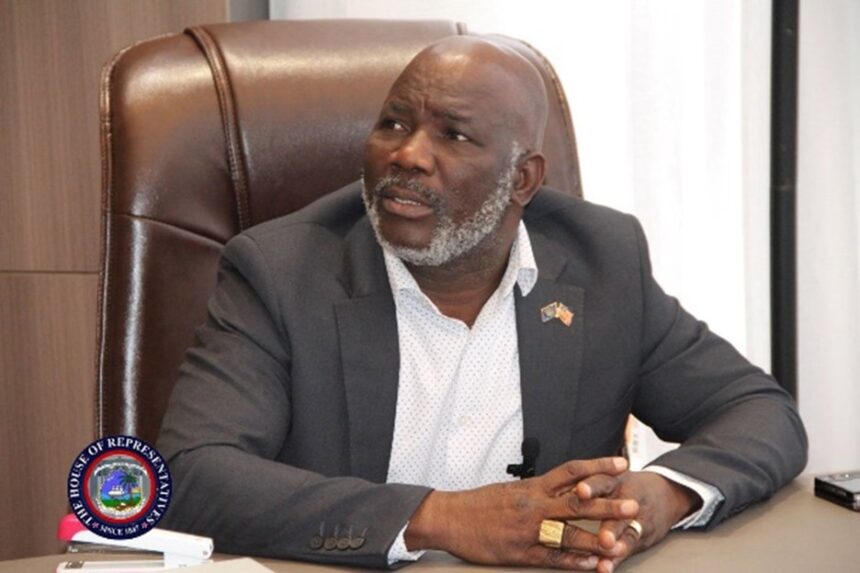
The recent rumors about removing Speaker Richard Nagbe Koon seems to be an old trick in the Liberian political playbook. According to some lawmakers, when Representatives are financially struggling and feel neglected by the Speaker, they resort to plotting his removal as a means to pressure him into submission. This tactic often prompts the Speaker to lobby and make concessions, either through cash benefits or promises, in a bid to retain his position.
This is not a new phenomenon; it is a long-standing tradition in Liberian politics. The Representatives use this strategy to get the Speaker’s attention and address their financial difficulties. However, some argue that this practice undermines the institution and creates an environment of distrust.
In January 2026, lawmakers dismissed claims of a plot to oust Speaker Koon, describing the reports as false and politically motivated. Representatives Abu Bana Kamara and James Kolleh stated that there’s no organized effort to remove the Speaker, and that he is enjoying the confidence of the majority of lawmakers.
Despite these assurances, allegations of misconduct and corruption continue to swirl around Speaker Koon. Some claim he is involved in immigration fraud, bigamy, and other serious offenses, which have sparked calls for his removal. The Liberia Anti-Corruption Commission (LACC) has even summoned several lawmakers for questioning in connection with bribery allegations related to the removal of former Speaker J. Fonati Koffa.
The controversy has raised questions about the integrity of Liberia’s legislative body and the accountability of its leaders. As the country seeks stronger governance and transparency, the Speaker’s office is under intense scrutiny.
The situation remains fluid, with different factions vying for power and influence. However, it is unclear how this will play out, but one thing is certain–the stakes are high, and the outcome will have significant implications for Liberia’s democracy.