
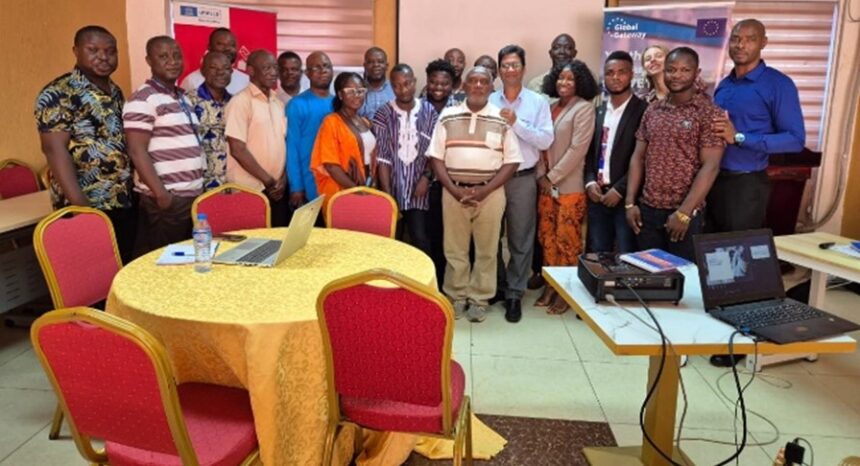
The United Nations Educational, Scientific and Cultural Organization (UNESCO) has wrapped up a dynamic two-day capacity building workshop for the Recognition of Prior Learning (RPL) National Technical Team (NTT) responsible for developing the country’s Recognition of Prior Learning (RPL) system—a key pillar in advancing Technical and Vocational Education and Training (TVET).
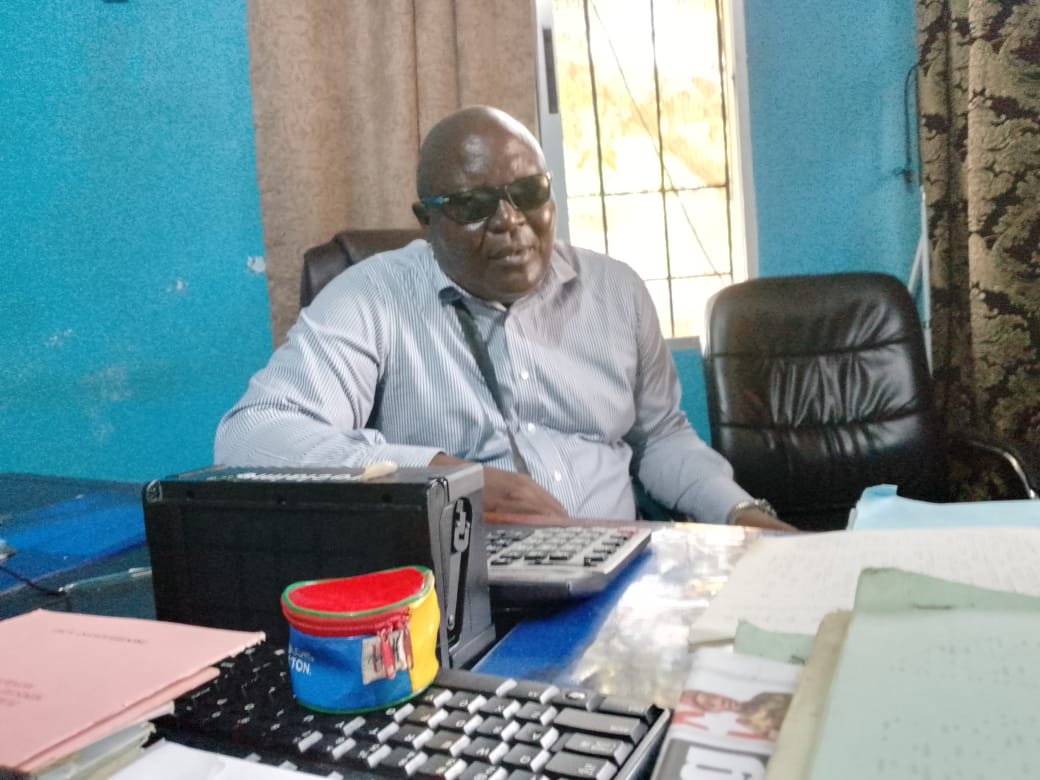
Held on April 2–3, 2026 at the Corina Hotel in Sinkor, the workshop brought together representatives from government ministries, civil society, TVET institutions, youth and disability groups, development partners, and the private sector. The event forms part of UNESCO’s ongoing support to the Government of Liberia through the Capacity Development for Education (CapED) Programme. Speaking at the close of the workshop, Joel M. Mutea, UNESCO’s National Coordinator for the CapED Programme, emphasized that the training marked a major step toward professionalizing and formalizing the informal sector, which accounts for 80% of the Labor force.
“This workshop equips the National Technical Team with the skills needed to build a robust Recognition of Prior Learning system—one that acknowledges the skills Liberians have gained through experience, whether in the workplace, the community, or informal training,” he said.
Coordinator Mutea underscored the urgent need to empower young Liberians by expanding access to quality technical and vocational skills training.
“TVET gives young people the opportunity to unlock their potential. Whether they have formal education or not, everyone deserves a pathway to develop productive skills and contribute meaningfully to society,” he noted.
He stressed that Liberia stands to benefit greatly from a strong TVET ecosystem where skills are recognized, assessed, and certified—ultimately improving employability and driving economic growth.
The workshop featured sessions led by international RPL expert, Dr. Kaylash Allgoo, who guided the NTT through global best practices, assessment methodologies, quality assurance principles, and the Liberian RPL model under development. Participants also engaged in role plays, group work, and action planning sessions. Among the participants were representatives from Ministry of Education, Ministry of Youth and Sports, Academic and professional TVET bodies, civil society and youth organizations, development partners and the private sector.
Merging voices from these diverse groups is critical, Mutea said, because RPL success relies on strong coordination and multistakeholder ownership.
He also emphasized the need for a stronger private sector engagement and strengthened investment in its investment and collaboration with TVET institutions.
“Businesses are the ultimate beneficiaries of a skilled workforce. Their support is vital in strengthening training centers, upgrading equipment, and absorbing qualified graduates.”
With the NTT now trained, the next phase will focus on developing capacities of the actors, which includes assessors, front liners and facilitators alongside the development of the policy document, implementation tools, and a national RPL framework, all expected to be finalized by July 2026 and pave way for the preparation of the experimentation, piloting and roll out phases. This initiative is being implemented in partnership and collaboration with the Youth Rising Project, funded by the European Union and Implemented by the UNIDO
In closing, Coordinator Mutea appealed to all stakeholders to continue supporting the RPL and TVET reform process.
“If we work together, Liberia can build a TVET system that transforms lives, recognizes skills, and drives national development.”
The workshop concluded with renewed energy and a shared commitment to build a future in which every Liberian’s skills are valued—and every learner has the opportunity to succeed.