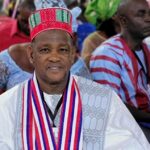

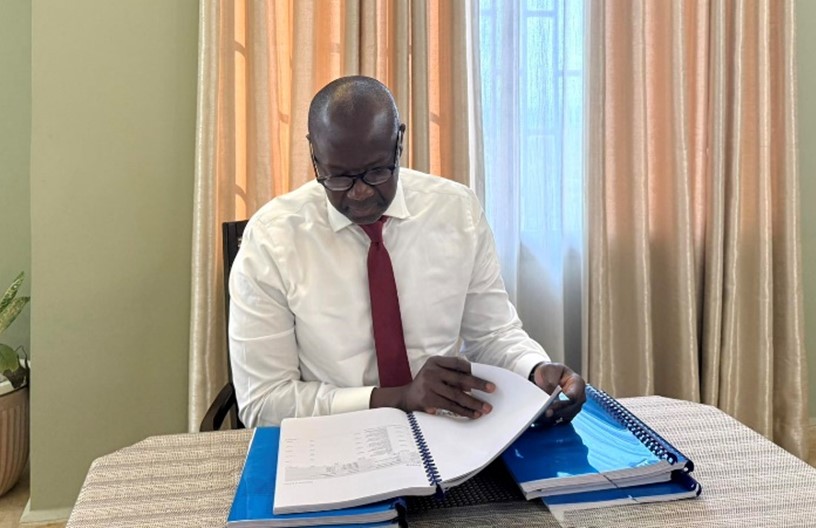
Gbarpolu County Senator, Amara Mohammed Konneh, has observed that the recent hearing on the Oranto Petroleum and TotalEnergies Production Sharing agreements has raised more questions than answers for the Liberian Senate. According to him, the key witnesses who negotiated the Oranto deal could not answer key questions about the very contract they negotiated.
Back in 2007, Oranto acquired offshore oil blocks in Liberia but never drilled a single exploration well; instead, they sold those rights to Chevron, earning over $100 million in profit. Liberia was left with nothing—no drilling, no jobs, no development of national infrastructure. Some Liberians who worked with Oranto said they did not get paid. Now, after abandoning Liberia once, Oranto has returned, asking for offshore oil blocks again.
Senator Konneh disclosed that the signature bonuses touted by the Executive Branch are, at best, a misleading measure of an oil company’s true strength and commitment. He said under the current contract Oranto will pay these bonuses in installments over 4 to 5 years, not upfront.
The Senator observed that Oranto and its parent company, Atlas Petroleum, have a disturbing track record across Africa. In Uganda, Atlas was awarded the Ngassa block in 2007 but never drilled a well or built infrastructure. After nearly a decade of inactivity, Uganda canceled the license. In Senegal, Oranto holds the Saint Louis Offshore Profond block but has conducted no meaningful exploration. Similarly, in Equatorial Guinea, the pattern persists—long periods without drilling, seismic work beyond initial efforts, and repeated extensions with no results. Industry trackers like Africa Intelligence have documented these failures. The pattern is clear: they secure acreage, make big promises, then walk away, selling out and profiting.
He said, “Our neighbor, Sierra Leone, faced a similar problem. Just last week, it canceled Innoson Oil and Gas’ exploration license—a company akin to Oranto—for failing to meet commitments. Sierra Leone made it clear: no more holding valuable national assets without developing them. Liberia must learn from this and avoid deals with companies lacking a credible track record.
“Adding to our concerns, the fiscal terms of the new agreement are troubling. The advertised signature bonus is $3.75 million per block, totaling $15 million for four blocks. But the contract says Oranto only needs to pay $1.25 million per block within 120 days of ratification. The remaining $10 million has no fixed deadline; it’s tied to seismic work that experts believe may not happen for years—possibly near the next election. This loophole allows the company to delay or avoid payments, exposing Liberia to serious financial and operational risks.”
He noted that all these issues—the long history of nonperformance, failed commitments across Africa, weak fiscal terms, and the lack of credible financial guarantees—point to one clear conclusion: Liberia cannot afford this deal. The only option is to reject it and demand companies that can actually deliver.
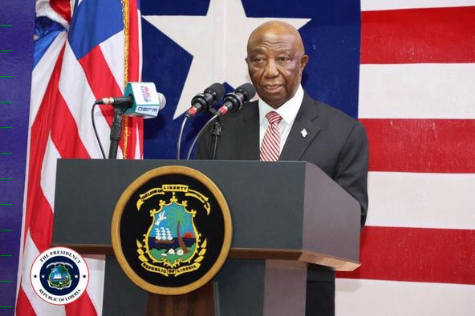
He then called on members of the Senate to reject the contract and send it back to President Boakai for withdrawal. “As a proud member of the Liberian Senate and someone who supports President Boakai’s efforts to attract new investment in our oil and gas sector, let us partner only with companies that have a proven track record of exploration, operational capability, and financial strength. Liberia deserves partners with the integrity, expertise, and resources to responsibly develop our natural resources,” he stated.
“I know some might say that the Senate should ‘fix it’. There is nothing to fix! Together, we can pursue better partnerships, negotiate stronger deals, and build an oil sector that truly benefits our people. But the current agreement is not the way forward,” Senator Konneh added.