
The Chairman and Chief Executive Officer of the Law Reform Commission (LRC), Cllr. Bornor M. Varmah, says the current proposed Liberia National Railways Authority (LNRA) Act that is being validated by major stakeholders, including the Law Reform Commission, Ministry of Justice, the Liaison Office–Liberia National Railways Authority, Governance Commission, Ministry of Transport, National Investment Commission, Ministry of Finance and Development Planning, Environmental Protection Agency, Ministry of Mines & Energy, Railway Technical Experts, Mining Experts, development partners among many others, when enacted, will reposition railways as strategic national assets serving multiple users and sectors of the economy.
According to Cllr. Varmah, under this new framework, Liberia can move toward a system that promotes greater transparency, competitive access, regulatory certainty, infrastructure expansion, and national development planning, adding, “This shift has the potential to unlock significant economic opportunities”.
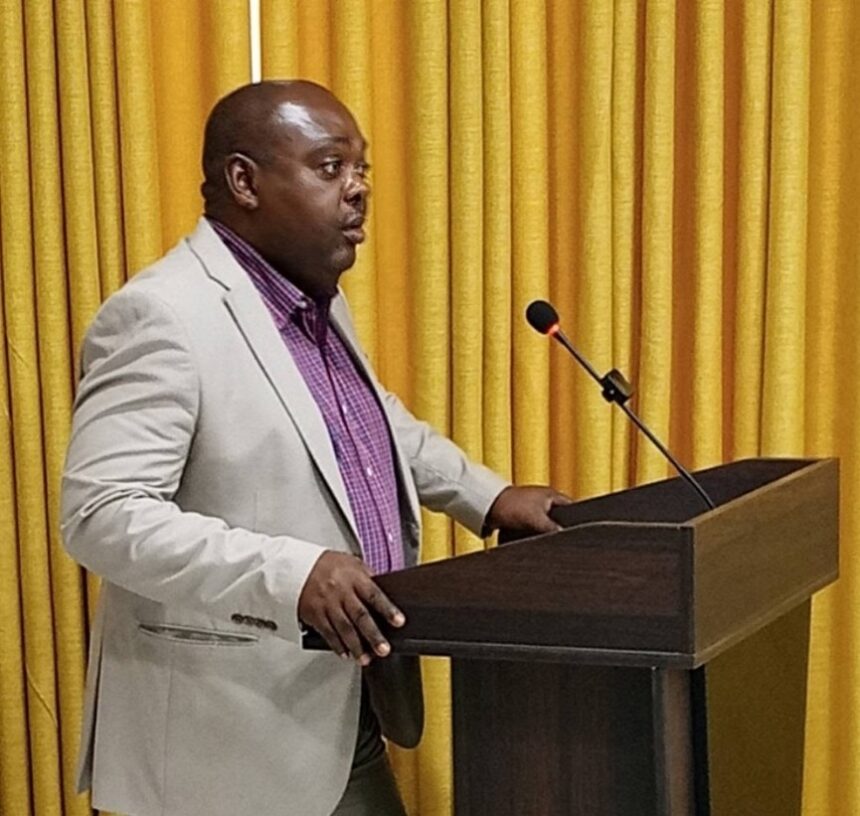
Delivering a special statement at a one-day National Validation Workshop for the Draft Liberia National Railway Authority Act of 2026 on Thursday, June 25, 2026, in Monrovia in the Conference Room of the Ministry of Mines and Energy on Capitol Hill, the Law Reform Commission Chairman/CEO outlined five key economic dividends Liberia will reap when the Act is passed into law.
“First, it can enhance investor confidence by providing a predictable legal and regulatory environment for railway operations and infrastructure development.
“Second, it can facilitate increased mining production and exports by improving transportation efficiency and reducing logistical bottlenecks.
“Third, it can support agricultural commercialization by enabling farmers and agribusinesses to transport goods more efficiently from production centers to domestic and international markets.
“Fourth, it can stimulate industrial development by lowering transportation costs and improving connectivity between resource-rich regions and economic corridors.
“Fifth, it can create employment opportunities through railway construction, maintenance, operations, and associated value chains,” Cllr. Varmah emphasized.
The erudite legal luminary furthered most importantly that, “an effective railway system can strengthen regional integration, facilitate trade, and position Liberia as a competitive destination for investment in West Africa”.
Delving into the ongoing validation of draft Bill, the Law Reform Commission Chairman/CEO outlined how critical stakeholders’ participation is to the process and also greatly depend on the quality of the stakeholders’ engagement in the process, as he seeks their expertise, insights and constructive recommendation to ensure that the final legislation reflects international best practices while addressing Liberia’s unique realities and development aspirations.
“As stakeholders representing various sectors and interests, your contributions will help strengthen the legal framework and ensure that the proposed Authority is equipped to fulfill its mandate effectively and responsibly.
“The Law Reform Commission remains committed to facilitating a participatory, inclusive, and transparent law reform process. We believe that laws are most effective when they emerge from broad consultation and reflect the collective wisdom of the people they intend to serve.”
Historically, railway infrastructure in Liberia has largely been developed and utilized to support specific mining concessions. While this model contributed to economic activity, it often limited broader national access and constrained opportunities for diversified economic growth.
The validation of the proposed Act marks another significant milestone in Liberia’s ongoing efforts to strengthen its legal, regulatory, and institutional framework for sustainable economic development.
“The Government of Liberia, under the leadership of His Excellency President Joseph Nyuma Boakai, Sr., has demonstrated a clear vision for transforming Liberia’s transportation and infrastructure sectors. Through the Executive Orders issued by the President concerning the establishment and operationalization of the Liberian National Railway Authority, the Government has recognized the strategic importance of rail infrastructure as a critical driver of national development.
These Executive Orders provided the necessary interim framework for the creation of the Authority and signaled the Government’s determination to establish a modern railway governance system. They also underscored the urgency of developing an independent regulatory and oversight institution capable of ensuring fair access, safety, efficiency, transparency, and accountability in the management and utilization of Liberia’s railway assets.
However, while Executive Orders serve as important policy instruments, they are by nature temporary measures. The long-term sustainability, legitimacy, and effectiveness of the Authority require a comprehensive legislative foundation enacted by the National Legislature. This Draft Act seeks to provide that permanent legal framework.
Today, therefore, we are not merely reviewing another piece of legislation. We are helping to shape a transformative legal instrument that will influence Liberia’s economic future for generations to come.”
Concluding, Cllr, Varmah iterated that the proposed legislation represents a fundamental paradigm shift in the governance of Liberia’s railway sector. He then encouraged frank discussions, thoughtful analysis, and constructive engagement. “Together, let us build a legal framework that promotes national development, protects the public interest, and supports Liberia’s journey toward sustainable economic transformation.”
On his part, the Liaison Officer of the Liberia National Railways Authority, Mr. Ignatius Saymel Neepaye, lauded the Law Reform Commission, other stakeholders and development partners for working together on a process that will bring to fruition the Liberia National Railways Authority.